


By Dawn Michelle LaGuerre
The Power of Hip Hop Brings Youth Together Despite Winter Storm
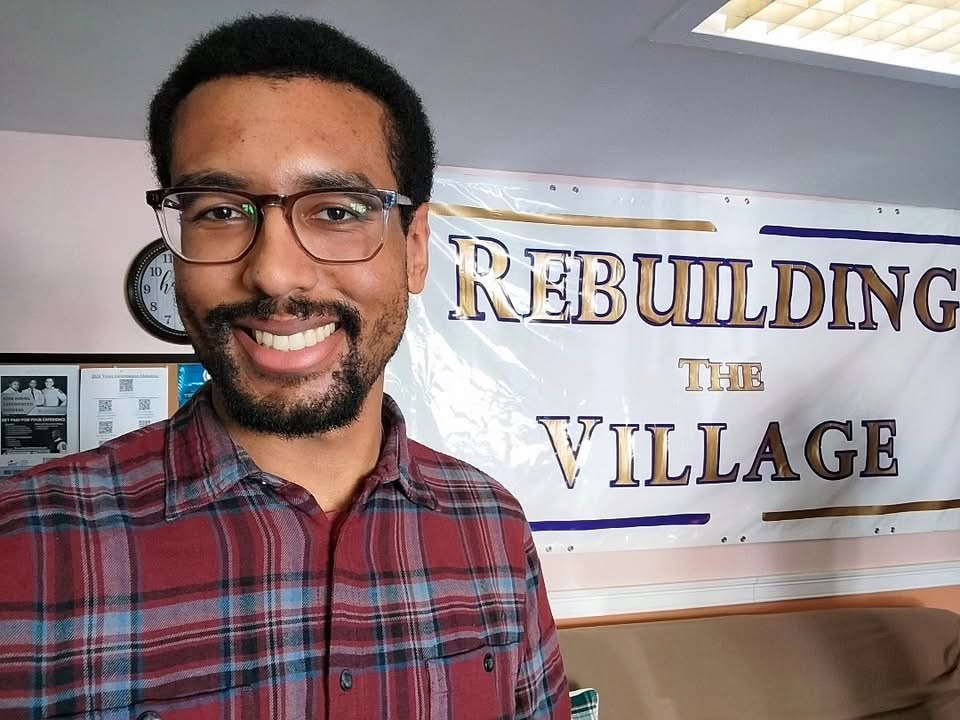
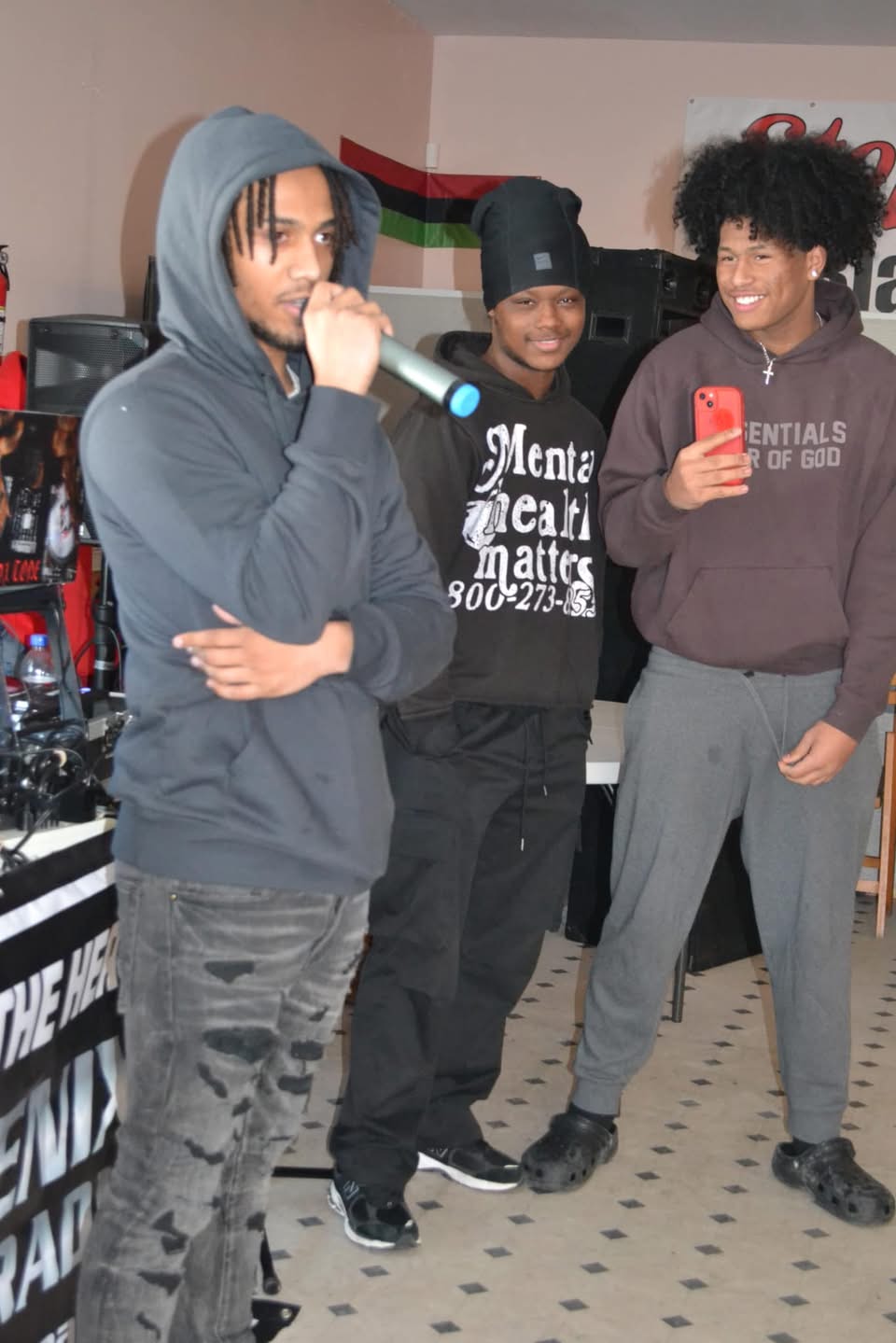
In the heart of Utica’s Corn Hill neighborhood, as snow piled high outside and a recently lifted emergency order still left streets challenging to navigate, something remarkable was happening inside Rebuild the Village’s James Street location. More than 40 participants—mostly young people—gathered not just to celebrate Black History Month, but to experience a hands-on education in the cultural foundations of Hip Hop music.
This wasn’t merely a concert. It represented something far more significant: the power of cultural education to draw youth out of their homes during adverse conditions and into a space of community learning and creative expression.
Rebuild the Village: Creating Pathways for Youth Success
Under the leadership of Director Roosevelt Patterson, Rebuild the Village has established itself as a cornerstone of community support in Utica. The organization’s mission extends beyond typical after-school programming, focusing on comprehensive empowerment and transformation for children, youth, and families through structured activities and community workshops.
This Hip Hop celebration aligned perfectly with their broader goals of connecting young people with cultural heritage while developing practical skills. By bringing together professional DJs and community leaders, Patterson created an environment where education and entertainment seamlessly merged.
Professional Collaboration Elevates the Experience
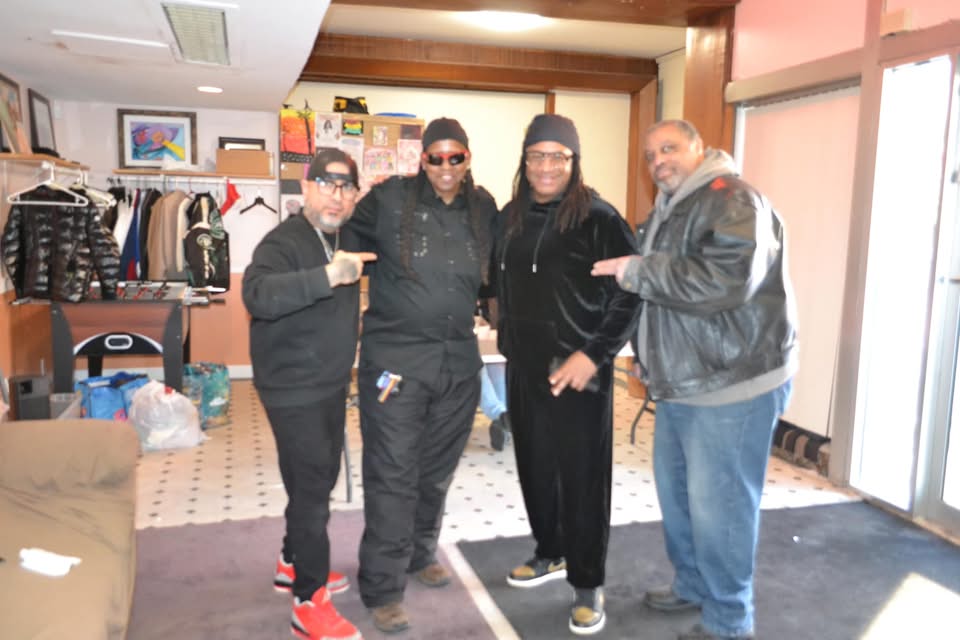
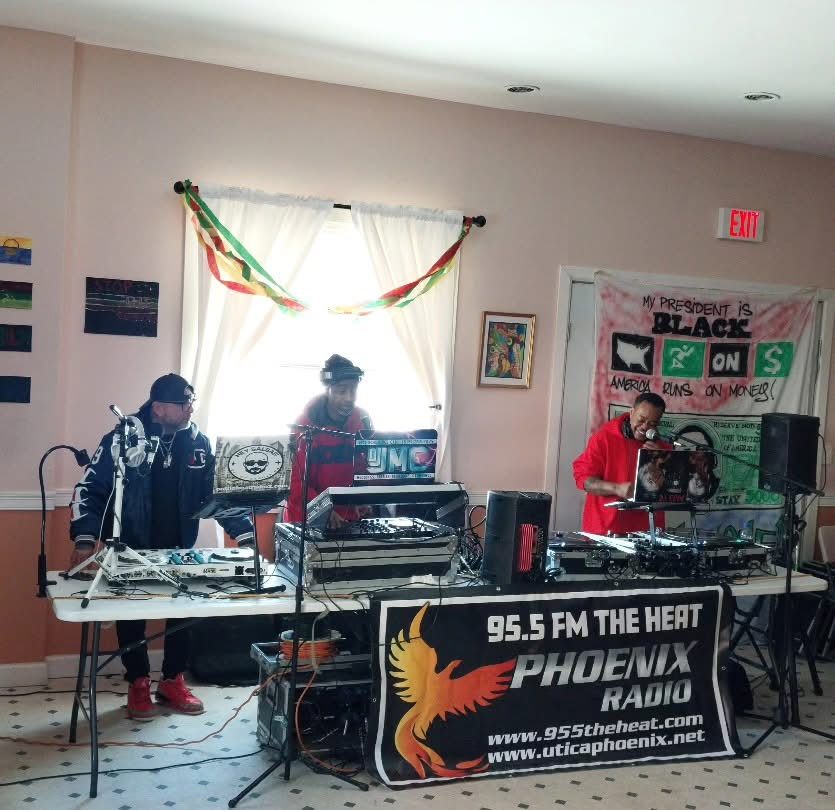
What made this event particularly impactful was the caliber of talent assembled. DJ Salsa, DJ Jerome McKinney, and DJ Tone—all members of “The Heat Squad” from 95.5 FM The Heat – Phoenix Radio in Utica, NY—brought decades of combined experience to the turntables. Their presence wasn’t just about performance—it was about mentorship and knowledge transfer to the next generation.
The event also featured Reverend Ladonna Clark, founder of Hip Hop Church in the Hood, who made the journey from Cooperstown despite challenging road conditions. Her preview of her original song “Hateration” added both spiritual and artistic dimensions to the celebration, demonstrating Hip Hop’s versatility as a medium for multiple messages.
Hands-On Learning Transforms Passive Listeners into Active Creators
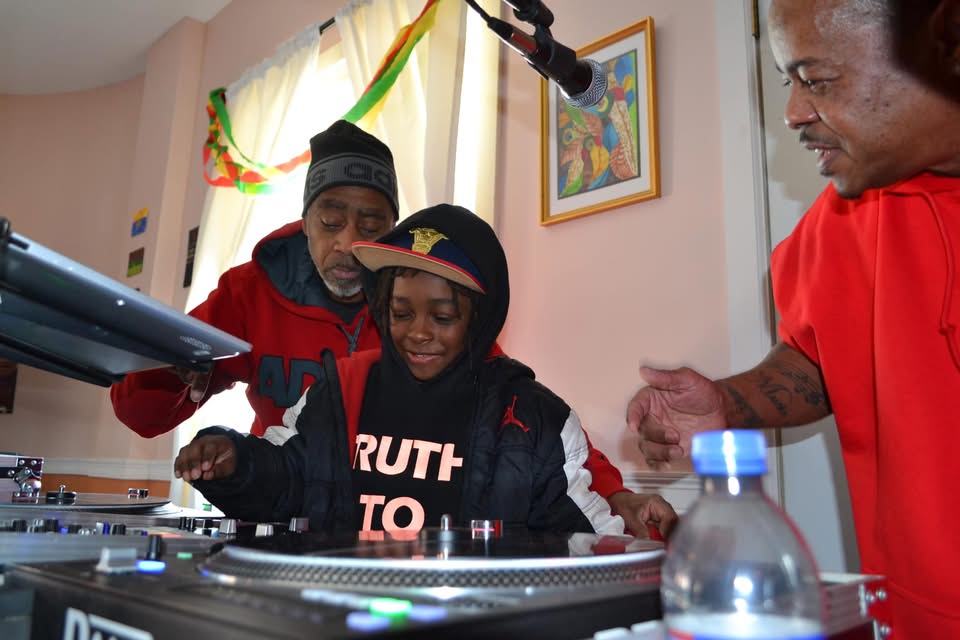
Perhaps the most powerful aspect of the gathering was its interactive nature. This wasn’t a traditional concert where youth simply observed performers on stage. Instead, DJ Jerome McKinney led substantive discussions about rap’s evolution and contemporary beat-making techniques, while his fellow Heat Squad DJs provided live demonstrations of mixing and scratching.
The collective presence of The Heat Squad from 95.5 FM brought local radio celebrity status to the event, helping youth connect their everyday listening experiences with the live techniques being demonstrated. This direct connection between local radio and hands-on education created a powerful learning environment that bridged media consumption with creative production.
“Understanding the intricacies of sound counting is fundamental to appreciating Hip Hop as both an art form and a cultural movement,” explained one participant who had never previously touched turntables.
The educational impact became evident when, under the guidance of the professional DJs, a Rebuild the Village participant composed and performed an original song. The audience’s enthusiastic response highlighted how quickly young people can transition from consumers to creators when given proper mentorship and opportunity.
Community Leaders Show Support Through Participation
The event’s significance extended beyond the primary organizers. DJ Duss attended specifically to support his fellow mixologists, demonstrating the solidarity within Utica’s music community. Additionally, Aaron Woodman, Vice President of the Oneida County NAACP, engaged directly with youth while experimenting with the turntables himself.
This participation by community leaders sent a powerful message to the young attendees: cultural education matters enough for busy professionals to prioritize it, even during challenging weather conditions.
Nourishing Bodies and Minds
Understanding that learning happens best when basic needs are met, Rebuild the Village ensured participants were well-fed throughout the event. The generous feast provided complemented the day’s educational activities, creating a holistic environment where youth could focus on absorbing new skills and cultural knowledge.
This attention to physical nourishment alongside intellectual stimulation reflects the organization’s comprehensive approach to community support.
Why This Matters: Hip Hop as Cultural Preservation
In an era when many young people experience music primarily through streaming services and algorithm-generated playlists, hands-on exposure to Hip Hop’s foundational elements—DJing, beat-making, and live performance—provides crucial context about Black cultural contributions to American society.
For Black History Month specifically, this event offered something beyond passive learning. Rather than simply hearing about historical figures, participants actively engaged with living cultural traditions that continue to evolve while maintaining connections to their roots.
Looking Forward: Building on Cultural Momentum
The success of this event, particularly its ability to draw participants despite adverse weather conditions, suggests a hunger among Utica’s youth for meaningful cultural engagement. Rebuild the Village has identified a powerful intersection between education, entertainment, and community building that could serve as a model for future programming.
As Director Patterson observed during the event, “When we connect young people with their cultural heritage in ways that feel relevant and engaging, we’re not just celebrating history—we’re actively building the foundation for their future contributions.”
Taking Action: Supporting Cultural Education Initiatives
For community members inspired by this event, there are several ways to support similar initiatives:
- Volunteer time or resources to organizations like Rebuild the Village that provide youth programming
- Attend community cultural events to demonstrate their value and importance
- Advocate for arts and cultural education funding in schools and community centers
- Connect professional artists and performers with youth mentorship opportunities
By transforming a standard Black History Month observance into an interactive Hip Hop education experience, Rebuild the Village demonstrated how cultural celebration can become a vehicle for youth empowerment, community connection, and creative expression—even when the snow is falling outside.

