


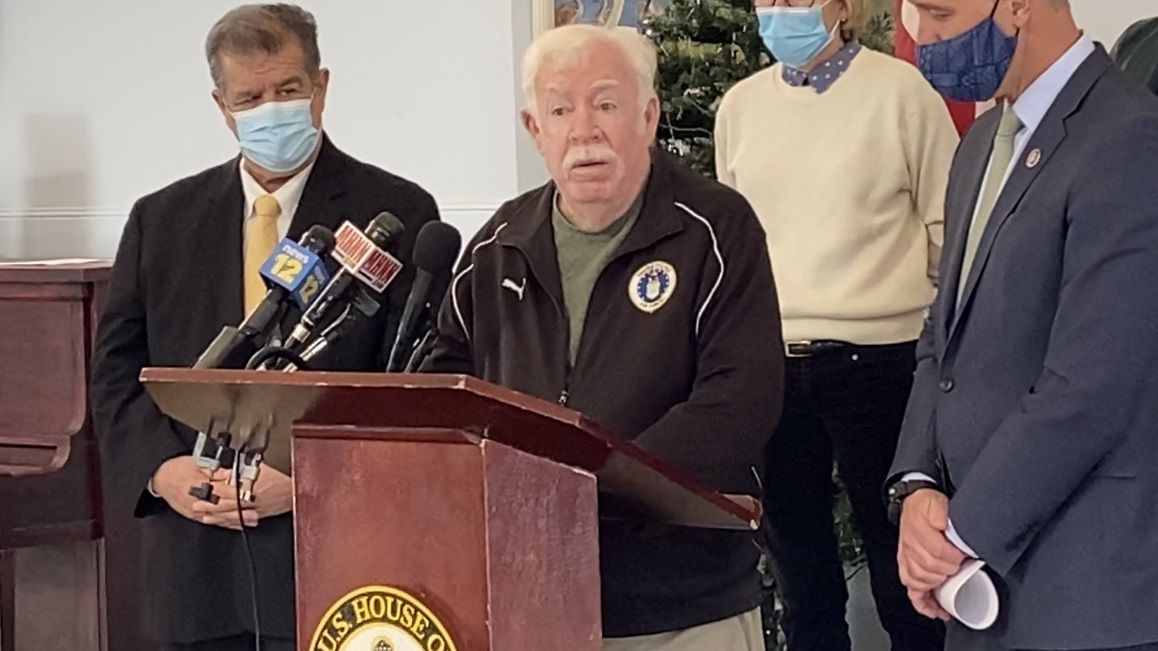
As U.S. Air Force Veteran Bob Browning was leaving home to go to a press conference about prescription drug costs Monday morning, his wife was locked in a price battle.
“She was on the phone with an insurance provider, who were saying they were going to refuse to pay for her drugs,” he said.
Browning said he and his wife are lucky to have to only spend a combined $2,000 out-of-pocket each year on medication because Browning’s military benefits cover much of their costs.
But his recently deceased mother-in-law used to pay about $1,000 a month to fill her prescriptions, which strained the family’s finances, he said.
What You Need To Know
- A provision in the latest version of the White House’s $2 trillion Build Back Better Plan would save some seniors from bankruptcy, senior advocates said Monday
- In the U.S. House version of the bill, the total amount a Medicare recipient would pay out-of-pocket for drugs is capped at $2,000 a year
- Also included in the most recent version is a provision to spend $150 billion to expand home-based care services
A provision in the latest version of the White House’s $2 trillion Build Back Better Plan will save some seniors from bankruptcy, Browning said, though he added he was hoping for tighter restrictions on pharmaceutical companies in the bill.
Browning joined Rep. Sean Patrick Maloney Monday for a press conference at Middletown’s Mulberry House — a popular senior center — to inform seniors and their families about relief they may see under the plan.
Maloney said he and many colleagues in the House originally wanted to change the “non-interference” section of prescription drug plan financing law to allow Medicare to negotiate directly with drug manufacturers to lower costs of certain medications.
They made some progress, Maloney said, striking a deal to allow Medicare to negotiate prices of some older drugs, but not certain newer ones. He and others took another route that may provide more immediate relief to seniors being pushed near bankruptcy because of prescription drug costs, he said.
In the House version of the bill, the total amount a Medicare recipient would pay out-of-pocket for their drugs is capped at $2,000 a year.
“The largest buyer of prescription drugs in the county — the Medicare program — doesn’t negotiate with the drug companies. That’s crazy,” Maloney said. “It’s only because of the power of those companies to stop it. This was left out of the ACA (Affordable Care Act) years ago, and it has been the long-term goal of so many people who know that the cost of prescription drugs is crushing our seniors. So this is a big step forward, both the cap on the costs that will really help seniors, but the beginning of negotiations for the Medicare program.”
The cap could ease some stress for Browning, his wife, and others who face much larger costs.
“This Build Back Better bill would bring some more security and more predictability for drugs like mine,” he said.
Maloney praised his advisors and other lawmakers.
“It took a heck of a fight,” he said.
As a politically-split Senate reviews the massive policy and spending package, nothing is guaranteed.
Also included in the most recent version is a provision to spend $150 billion to expand home-based care services.

