


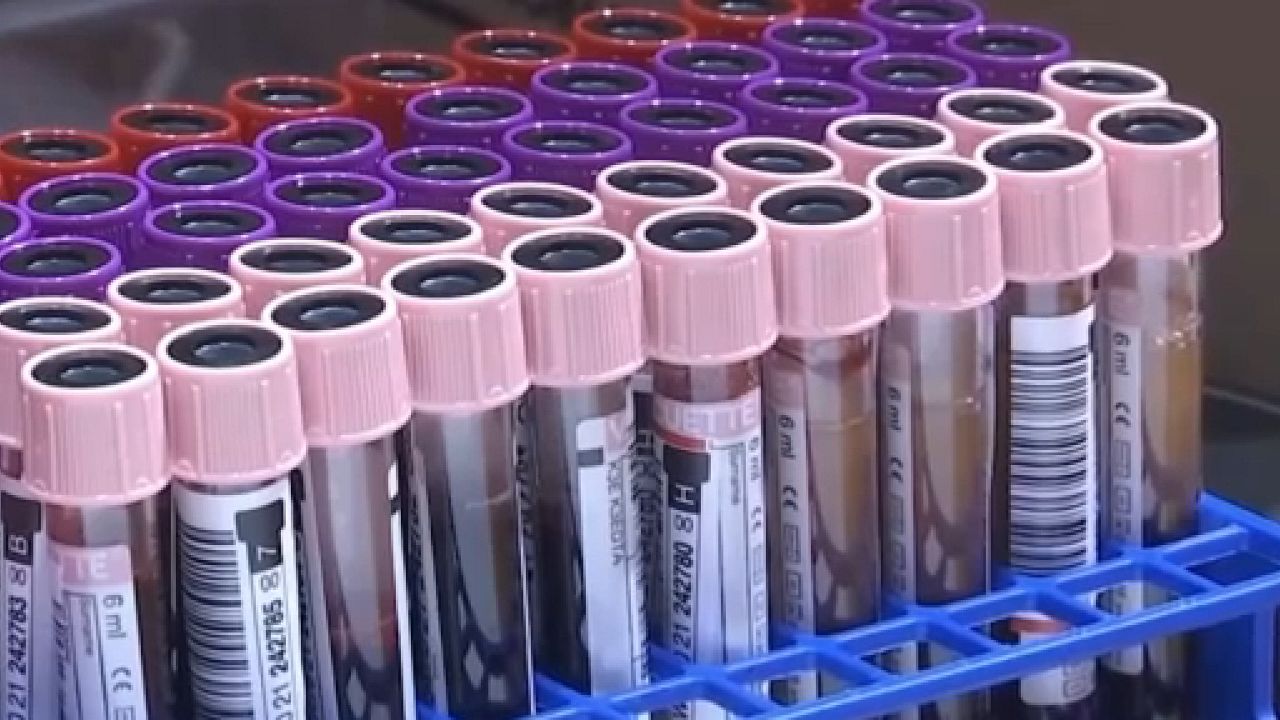
A nationwide blood shortage is reigniting calls to lift certain restrictions some call discriminatory.
“It leaves a lot of LGBTQ folks feeling like second-class citizens,” said Nathaniel Gray, executive director of the Pride Center of the Capital Region.
Right now, the Food and Drug Administration says sexually active gay and bisexual men are not allowed to donate blood unless they are abstinent for 90 days.
Gray is a potential universal donor.
“That adds insult to injury, that I know I can be so helpful. But it means I have to lie,” Gray said.
He said the restrictions have become outdated.
“It makes me think of laws where the federal government has said, ‘We’d love for you to sign the dotted line and potentially give the greatest sacrifice you can for our country. We just don’t want you to do it if you’re LGBTQ, or if you are, we don’t want to know about it,’” Gray said.
Wintry weather and the latest surge of COVID-19 has exacerbated a dwindling supply of blood, a decline, the American Red Cross says, began at the start of the pandemic.
“People have been reluctant to go and do the blood donations,” state Assemblyman Angelo Santabarbara said.
To mark National Blood Donor Month, Santabarbara has hosted a number of blood drives.
“Hospitals are overwhelmed right now and are in need,” he said. He encouraged all that are eligible to become a donor.
“Your donation is saving someone’s life,” he said. “It’s helping someone recover, get someone back to health.“
Gray said donating is something he would like to experience.
“When someone brings up that there is a blood shortage, maybe talk about the fact that 10 percent of the population is told our blood is not good enough,” Gray said.

