


The Utica Police Department promoted Starr Rae Wooden to captain on Friday, July 24, making her the first woman and the first minority officer to hold that rank in the department’s history. A lifelong Utica native, Wooden rose through the ranks as a patrol officer before earning the promotion, which local outlets WFXV and WUTR covered as a milestone for the Mohawk Valley region. Her appointment places Utica alongside a small but growing number of New York police departments led in part by women in command roles.
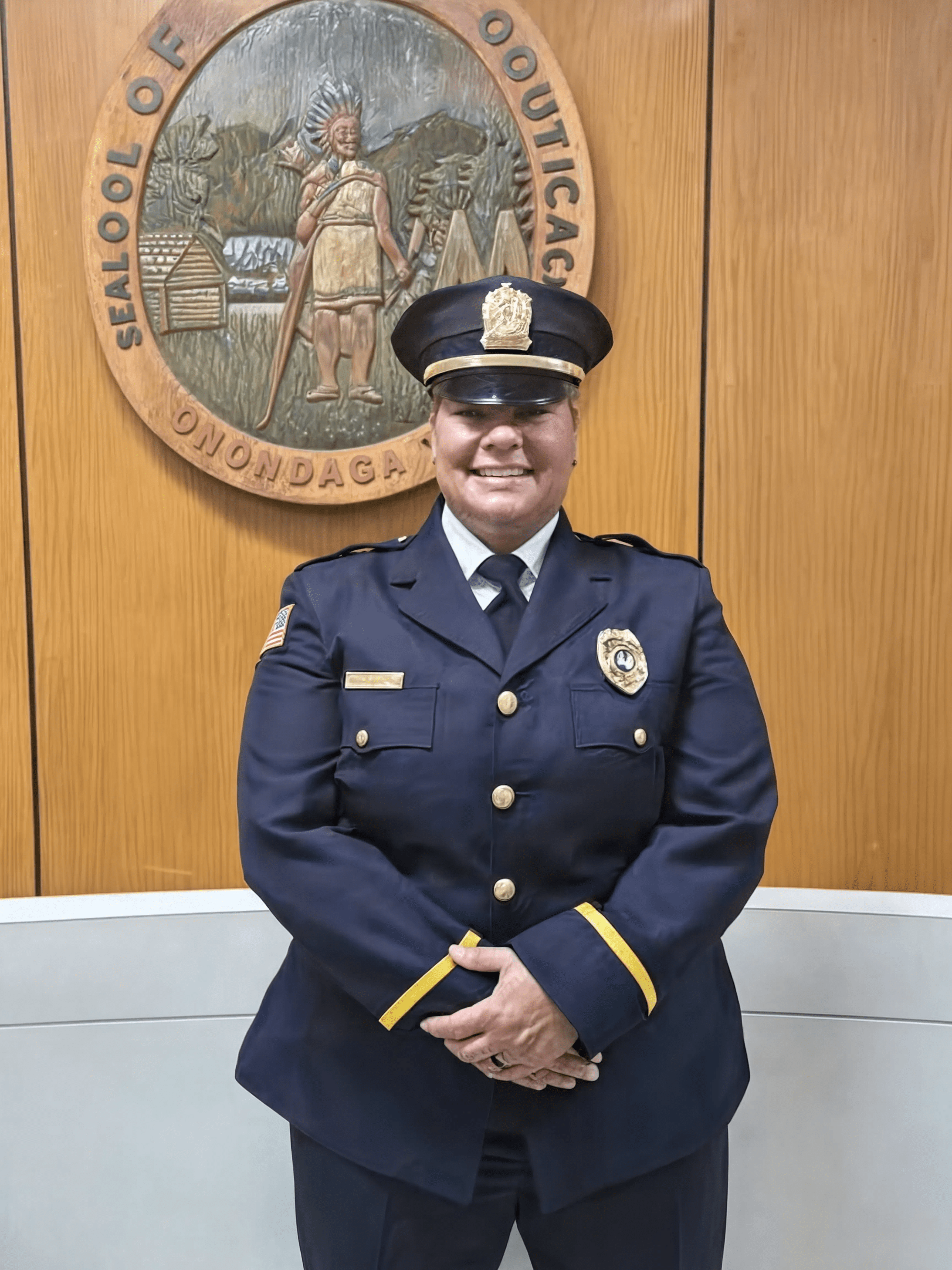
Utica Police Department Promotes First Female Captain: Who Is Starr Rae Wooden
Starr Rae Wooden’s promotion answers a question the Utica Police Department had never been able to answer before: who would be the first woman, and the first minority officer, to wear captain’s bars in the department’s history. Wooden received her promotion Friday, July 24, in a ceremony that local station coverage from WFXV and WUTR described as a historic first for the agency.
Wooden grew up in Utica and built her entire law enforcement career within the department she now helps lead. She started as a patrol officer, working the same streets and neighborhoods she calls home, and moved up through the ranks over the course of her tenure.
That local connection matters. Command staff who understand a city’s neighborhoods, its history, and its people tend to make decisions grounded in lived community knowledge rather than textbook theory alone. For a department serving a diverse, working-class city like Utica, that kind of institutional memory carries real weight.
How Many Female Captains Serve in New York Police Departments
There is no single public database that tracks the exact number of female captains across every New York police department, so a precise statewide count is not currently verifiable. What is well documented is that women remain a small share of police command staff across the state and the country, making promotions like Wooden’s newsworthy rather than routine.
Larger agencies such as the NYPD have had female chiefs and deputy commissioners in past years, but mid-sized upstate departments, including those in Utica NY politics and public safety circles, have historically promoted far fewer women into ranks above sergeant or lieutenant. Wooden’s promotion puts Utica in a category shared with only a handful of Upstate New York departments that have ever placed a woman in a captain’s role.
Decision point for readers tracking this issue: if you want to know how your local department compares, the most reliable source is direct records requests to the department or its city government, since statewide aggregation is inconsistent.
What Does a Police Captain Do
A police captain oversees the daily operations of a division, shift, or precinct, and typically ranks above lieutenant and below deputy chief or chief. Captains supervise lower-ranking officers, manage budgets and scheduling, and serve as a bridge between patrol officers and the department’s top leadership.
Common captain-level responsibilities include:
- Supervising lieutenants, sergeants, and patrol officers within an assigned division
- Managing shift scheduling, overtime, and staffing needs
- Reviewing use-of-force reports and internal investigations
- Coordinating with community groups, city officials, and other agencies
- Setting or enforcing department policy at the operational level
- Representing the department at public meetings, press briefings, and city council sessions
In a department the size of Utica’s, a captain often has direct influence over how officers interact with residents day to day, which ties directly into broader conversations about police reform and community trust.
What Are the Requirements to Become a Police Captain
Requirements to become a police captain generally include several years of sworn patrol experience, passage of a civil service promotional exam, and completion of supervisory or command-level training. Most departments also require a clean disciplinary record and strong performance evaluations at each prior rank.
Typical requirements include:
- A minimum number of years served as a police officer, sergeant, and lieutenant (often five to ten years combined, depending on department rules)
- Passing a written civil service examination specific to the captain rank
- Completion of an assessment center or interview process evaluating leadership and decision-making
- Ongoing training in areas like use-of-force policy, crisis intervention, and personnel management
- A record free of serious disciplinary action
Choose this path if you’re an officer with several years of patrol and supervisory experience who wants to shape department policy rather than only respond to calls. It is not the right track for someone seeking to remain primarily in frontline patrol work, since captain roles are administrative and supervisory by nature.
How Long Does It Take to Get Promoted to Captain in Police Departments
Most officers spend ten to twenty years working through the ranks before reaching captain, depending on department size, promotional exam cycles, and how often vacancies open up. Smaller departments like Utica’s often have fewer captain positions available, which can slow the timeline compared to larger metro agencies with more command slots.
The typical climb looks like this:
- Police officer: entry rank, usually four or more years before testing for sergeant
- Sergeant: first supervisory rank, several years of experience required before testing for lieutenant
- Lieutenant: mid-level command, additional years of service before eligibility for captain
- Captain: senior command rank, often requiring a combined decade or more of total service
A common mistake outside observers make is assuming promotions happen on a fixed timeline. In reality, promotions depend heavily on when a vacancy opens, so two equally qualified officers can wait very different lengths of time simply based on department turnover.
Utica Police Department History and Structure

The Utica Police Department has served the city of Utica, New York, for well over a century, evolving from a small municipal force into a modern agency responsible for public safety across the city’s neighborhoods. Like most mid-sized New York departments, it operates under a rank structure that runs from patrol officer up through sergeant, lieutenant, captain, deputy chief, and chief of police.
The department’s command structure means captains like Wooden typically oversee specific divisions, such as patrol, investigations, or administration, reporting to deputy chiefs and ultimately the chief of police. This structure shapes how policy decisions made at city hall filter down into actual street-level practice, which is why local government accountability and public safety funding decisions matter so directly to residents.
For context on how policing intersects with community relationships in the broader Central New York region, see how Syracuse looks to mesh community with police in a new initiative, a comparison point for how nearby departments are approaching similar community trust challenges.
Utica Police Department Diversity Initiatives
Wooden’s promotion functions as a visible marker of the Utica Police Department’s diversity progress, even as broader structural change in police leadership typically moves slowly. A single historic promotion signals opportunity, but sustained diversity requires consistent hiring, mentorship, and promotion pipelines over years, not just one milestone appointment.
Departments serious about diversity in leadership generally invest in:
- Targeted recruitment in underrepresented communities
- Mentorship programs pairing junior officers with command staff
- Transparent promotional exam processes to reduce bias
- Community advisory boards that include diverse local voices
Utica’s broader civic community has pushed for greater inclusion across public institutions, echoed in efforts like the Utica Support Group’s inclusive event for the disabled community, which reflects a citywide pattern of demanding representation across public services, not just policing.
Challenges Women Face in Law Enforcement Leadership
Women pursuing captain and higher command roles in law enforcement often face barriers rooted in workplace culture, mentorship gaps, and long-standing assumptions about who “looks like” leadership material inside a department. These barriers are well documented across policing research nationally, even though exact statistics vary by agency and are not always centrally tracked.
Common challenges include:
- Fewer informal mentorship opportunities from male-dominated command staff
- Bias in assessment centers or interview panels during promotional testing
- Balancing shift work and command responsibilities with family caregiving demands disproportionately placed on women
- Skepticism from colleagues or the public about command authority
Wooden’s promotion fits into a larger national pattern of women breaking barriers in fields that have historically excluded them from top roles. Similar breakthroughs have played out in entertainment leadership, as seen when Shondaland hired Megha Tolia as its first president and COO, and in television, where Debbie Allen has reflected on her career as one of the first Black women to reach the top of her field. Each of these stories shares a common thread: institutional change tends to start with one appointment that opens the door for others.
Police Captain Salary and Benefits
Police captain salaries vary significantly by department size, region, and union contract, but the rank generally pays more than lieutenant and comes with additional benefits tied to seniority and command responsibility. Exact current salary figures for the Utica Police Department captain rank are set through the city’s civil service pay scale and union contract, and residents can request the most current figures directly from Utica’s city government or its human resources office.
Typical captain-level compensation packages across mid-sized New York departments generally include:
- A base salary higher than sergeant and lieutenant pay grades
- Pension benefits through the New York State Police and Fire Retirement System
- Health insurance coverage for the officer and dependents
- Overtime eligibility tied to staffing needs and special assignments
Edge case worth noting: salary alone often understates total compensation for command staff, since pension multipliers and longevity pay can significantly increase lifetime earnings for officers who reach captain earlier in their careers and serve for decades afterward.
Utica Police Department Hiring Requirements and Contact Information
The Utica Police Department hires officers through New York State’s civil service examination process, which typically requires candidates to be at least 18 to 21 years old, hold a high school diploma or equivalent, pass a background check, and complete police academy training. Residents interested in hiring timelines, community programs, or filing a complaint should contact the department directly through official city channels rather than relying on secondhand information.
General hiring steps include:
- Passing the New York State civil service police officer exam
- Meeting physical fitness and medical standards
- Passing a thorough background investigation
- Completing basic training at a certified police academy
- Serving a probationary period as a sworn officer
For city services, meeting schedules, and public safety updates, residents can follow local civic engagement opportunities the same way they might track other Utica municipal issues, such as the ongoing neighborhood meetings discussing the I-81 project, which shows how public input shapes major city decisions beyond just policing.
FAQ
Who is Starr Rae Wooden?
Starr Rae Wooden is a lifelong Utica native and Utica Police Department officer promoted to captain on July 24, 2026, becoming the first woman and first minority officer to hold that rank in department history.
What rank did Wooden hold before becoming captain?
Wooden served as a patrol officer within the Utica Police Department before rising through the ranks to earn her promotion to captain.
Is Wooden the first woman in any command role at Utica PD, or just captain?
Available reporting confirms she is the first female captain specifically; earlier command appointments at lower ranks are not detailed in current public reporting.
How does someone become a police captain in New York?
Candidates typically need years of patrol and supervisory experience, must pass a civil service promotional exam, and often complete a command-level assessment or interview process.
What does a police captain actually do day to day?
A captain supervises lieutenants and sergeants, manages staffing and budgets, reviews incident reports, and coordinates with city officials and community groups.
Are there other female police captains in Upstate New York?
Some exist, but no single public database tracks every department’s command staff demographics comprehensively, so exact regional counts are difficult to verify.
How can Utica residents contact the police department directly?
Residents should reach out through the official City of Utica government website or municipal offices for current department contact details, complaint procedures, and community program information.
Does this promotion change department policy?
Not automatically. A promotion changes who holds decision-making authority within a division, but broader policy change typically requires city council action, union negotiation, or chief-level directives.
Key Takeaways
- Starr Rae Wooden became the first female and first minority captain in Utica Police Department history on July 24, 2026.
- Wooden is a lifelong Utica native who worked her way up through the department’s ranks.
- Women remain underrepresented in police leadership nationwide, though the exact percentage in New York command roles is not comprehensively tracked in one public database.
- Police captain duties typically include overseeing shifts, supervising lieutenants and sergeants, managing budgets, and setting precinct-level policy.
- Becoming a captain usually requires years of patrol experience, passing civil service exams, and completing supervisory training.
- The promotion reflects broader conversations about diversity, equity, and representation inside New York’s law enforcement agencies.
- Residents can track future promotions and department policy through public city council meetings and Utica Police Department community outreach.
Conclusion
Starr Rae Wooden’s promotion to captain marks a genuine first for the Utica Police Department, and it matters well beyond the ceremony itself. Representation at the command level shapes how policy gets written, how officers get trained, and how a department earns trust from the communities it serves.
Residents who care about police reform, government transparency, and diversity in public institutions have a role to play here too. Attend a city council meeting, ask your local representatives how promotional processes work, and follow department announcements to see whether this milestone leads to broader change in hiring and leadership pipelines. One historic promotion opens a door. Whether it stays open depends on what the community, and the department, choose to do next.
