


In a concerning turn of events, 15 GOP governors are blocking a federally funded initiative aimed at providing food assistance to vulnerable children during the summer months. Despite the program’s potential to serve 21 million youngsters and provide $2.5 billion in relief, these governors’ opposition is denying benefits to around 8 million children across the country. This article delves into the reasons behind their opposition and examines the consequences for vulnerable children and their families.
Overview of the situation and why GOP governors are blocking the food assistance initiative

Republican governors in 15 states are rejecting a federally funded program aimed at providing food assistance to vulnerable children during the summer months. Despite the program’s potential to serve 21 million youngsters and provide $2.5 billion in relief, these governors are opposing it for political reasons and have raised concerns about the initiative. Their opposition is denying benefits to around 8 million children across the country.
Impact on vulnerable children and families
The opposition by GOP governors to the food assistance initiative will have a significant impact on vulnerable children and their families. Without access to these vital resources, many children will go without proper nutrition during the summer months when school meals are not available. This will exacerbate food insecurity and negatively affect the overall well-being and development of these children. Families already struggling financially will face even greater challenges in providing for their children’s basic needs.
Understanding the Food Assistance Initiative

The food assistance initiative aims to provide support to vulnerable children by offering federally funded food assistance during the summer months when school meals are not available. The program is set to serve around 21 million youngsters, providing $2.5 billion in relief across the country. This initiative plays a crucial role in addressing food insecurity among children and ensuring their well-being.
Details of the food assistance initiative and its purpose

The food assistance initiative is a federally funded program designed to provide support to vulnerable children during the summer months when school meals are not available. It aims to serve around 21 million youngsters and provide $2.5 billion in relief across the country. The purpose of this initiative is to address food insecurity among children and ensure their well-being.
The importance of providing support to vulnerable kids
Providing support to vulnerable kids is of utmost importance as it directly impacts their well-being and future prospects. Access to nutritious food ensures proper physical and mental development, improved academic performance, and overall health. By offering assistance, we can help break the cycle of poverty, promote equity, and give these children a chance for a brighter future. It is our collective responsibility to ensure that no child goes hungry or suffers due to food insecurity.
Reasons Behind GOP Governors’ Opposition
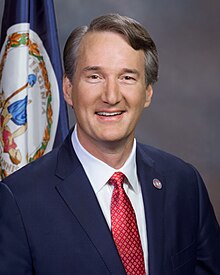
GOP governors have cited various reasons for their opposition to the food assistance initiative. Some argue that the federal government should not interfere in state programs, while others express concerns about potential fraud or dependency on government aid. Additionally, political motivations and ideological differences often play a role in shaping their stance on this issue.
Political motivations behind the opposition

The opposition by GOP governors to the food assistance initiative is driven by various political motivations. Some Republican leaders may be unwilling to support a program that expands the role of the federal government and interferes with state programs. Additionally, there may be ideological differences regarding the role of government in providing social welfare assistance. These political considerations shape their stance on this issue.
Concerns raised by GOP governors about the initiative

GOP governors have raised concerns about the food assistance initiative, citing potential burdens on state governments and an overreliance on federal aid. They argue that expanding the role of the federal government in providing social welfare programs could undermine states’ ability to manage their own programs effectively. Additionally, some governors express ideological differences regarding the appropriate level of government intervention in addressing issues such as hunger and poverty.
Analysis of the Blockade

The blockade by GOP governors against the food assistance initiative raises concerns about the potential consequences for vulnerable children. By rejecting federal aid, these governors risk exacerbating food insecurity and depriving millions of children of access to nutritious meals during the summer months. This opposition also highlights political motivations and ideological differences regarding the role of government in addressing social welfare issues. The analysis of the blockade underscores the need for a comprehensive approach to ensure the well-being of vulnerable children.
Critiques and counterarguments against the opposition

Some critics argue that blocking the food assistance initiative displays a lack of compassion for vulnerable children and prioritizes political agendas over their well-being. They contend that denying essential nutrition to millions of children during the summer months is morally unacceptable. Additionally, opponents argue that by opposing the program, GOP governors are neglecting their duty to ensure the welfare of their constituents and contribute to the overall development of future generations.
Public Reaction and Advocacy Efforts
The public has expressed outrage and disappointment at the GOP governors’ decision to block the food assistance initiative, seeing it as a disregard for the well-being of vulnerable children. Advocacy groups and organizations dedicated to fighting child hunger have intensified their efforts to raise awareness about the issue and put pressure on the governors to reconsider. Their goal is to ensure that every child has access to nutritious meals, especially during the summer months when school meal programs are not available.
Efforts to raise awareness and pressure the governors to reconsider

Advocacy groups and organizations dedicated to fighting child hunger have intensified their efforts to raise awareness about the GOP governors’ decision and put pressure on them to reconsider. Through social media campaigns, grassroots initiatives, and public statements, they are highlighting the negative impact on vulnerable children and urging the governors to prioritize the well-being of these kids.
The situation of vulnerable children is a serious concern that needs attention. These children often come from disadvantaged backgrounds, facing various challenges such as poverty, abuse, or neglect. They lack proper support systems and resources necessary for their wellbeing.
The outcomes for these children can vary depending on the interventions provided. Without intervention, vulnerable children may continue to experience hardships and may struggle to break the cycle of poverty or abuse. They are at higher risk of facing long-term negative consequences, such as poor physical and mental health, limited educational opportunities, and increased likelihood of engaging in criminal activities.
However, with appropriate support, the potential outcomes for vulnerable children can be drastically improved. Interventions can include access to quality education, healthcare, and social services, as well as providing safe and nurturing environments. By addressing their needs in these areas, vulnerable children have a greater chance of escaping their current circumstances and achieving better life outcomes.
Investing in the well-being of vulnerable children also has broader societal benefits. By ensuring that these children receive the support they need, society can break the cycle of poverty and reduce the strain on social services in the long run. Moreover, empowered and resilient individuals can contribute positively to their communities, thus leading to a stronger and more inclusive society.
There was a time years ago when decisions like this would surprise or even shock me. Yet, in the context of the era that championed the slogan “Making America Great Again,” my capacity for disbelief has markedly diminished. The societal barometer gauging basic human decency seems to plummet with each passing day, as political maneuvering increasingly overshadows the welfare of the average American. It’s a disheartening realization that policy-making and leadership have, in some cases, become driven more by strategic self-interest than by the steadfast commitment to serve the populace. The optimism once fostered by the belief in a united, community-oriented governance, is now clouded by the machinations that prioritize the game above those it’s meant to benefit.
In conclusion, the situation of vulnerable children requires attention, and the potential outcomes for these children can vary significantly based on the support and interventions provided. By investing in their well-being, individuals and society as a whole can reap long-term benefits and create a more equitable and inclusive environment for all.

